Latest Highlights
-
-
-
-
-
-
-
-
-
-
-
-
-
-
-
-
-
-
-
-

World Cup 2026

| # | GP | W | D | L | DIFF | Goals | Pts | |
|---|---|---|---|---|---|---|---|---|
| 1 | 3 | 3 | 0 | 0 | +6 | 6:0 | 9 | |
| 2 | 3 | 1 | 1 | 1 | -1 | 2:3 | 4 | |
| 3 | 3 | 1 | 0 | 2 | -1 | 2:3 | 3 | |
| 4 | 3 | 0 | 1 | 2 | -4 | 2:6 | 1 |
| # | GP | W | D | L | DIFF | Goals | Pts | |
|---|---|---|---|---|---|---|---|---|
| 1 | 3 | 2 | 1 | 0 | +4 | 7:3 | 7 | |
| 2 | 3 | 1 | 1 | 1 | +5 | 8:3 | 4 | |
| 3 | 3 | 1 | 1 | 1 | -1 | 5:6 | 4 | |
| 4 | 3 | 0 | 1 | 2 | -8 | 2:10 | 1 |
| # | GP | W | D | L | DIFF | Goals | Pts | |
|---|---|---|---|---|---|---|---|---|
| 1 | 3 | 2 | 0 | 1 | +6 | 10:4 | 6 | |
| 2 | 3 | 2 | 0 | 1 | +2 | 4:2 | 6 | |
| 3 | 3 | 1 | 1 | 1 | +0 | 2:2 | 4 | |
| 4 | 3 | 0 | 1 | 2 | -8 | 1:9 | 1 |
| # | GP | W | D | L | DIFF | Goals | Pts | |
|---|---|---|---|---|---|---|---|---|
| 1 | 3 | 2 | 1 | 0 | +6 | 10:4 | 7 | |
| 2 | 3 | 1 | 2 | 0 | +4 | 7:3 | 5 | |
| 3 | 3 | 1 | 1 | 1 | +0 | 7:7 | 4 | |
| 4 | 3 | 0 | 0 | 3 | -10 | 2:12 | 0 |
| # | GP | W | D | L | DIFF | Goals | Pts | |
|---|---|---|---|---|---|---|---|---|
| 1 | 3 | 1 | 2 | 0 | +4 | 6:2 | 5 | |
| 2 | 3 | 1 | 2 | 0 | +2 | 5:3 | 5 | |
| 3 | 3 | 0 | 3 | 0 | +0 | 3:3 | 3 | |
| 4 | 3 | 0 | 1 | 2 | -6 | 4:10 | 1 |
| # | GP | W | D | L | DIFF | Goals | Pts | |
|---|---|---|---|---|---|---|---|---|
| 1 | 3 | 2 | 1 | 0 | +5 | 5:0 | 7 | |
| 2 | 3 | 0 | 3 | 0 | +0 | 2:2 | 3 | |
| 3 | 3 | 0 | 2 | 1 | -1 | 3:4 | 2 | |
| 4 | 3 | 0 | 2 | 1 | -4 | 1:5 | 2 |
| # | GP | W | D | L | DIFF | Goals | Pts | |
|---|---|---|---|---|---|---|---|---|
| 1 | 3 | 2 | 1 | 0 | +3 | 4:1 | 7 | |
| 2 | 3 | 1 | 2 | 0 | +5 | 6:1 | 5 | |
| 3 | 3 | 1 | 1 | 1 | +1 | 4:3 | 4 | |
| 4 | 3 | 0 | 0 | 3 | -9 | 2:11 | 0 |
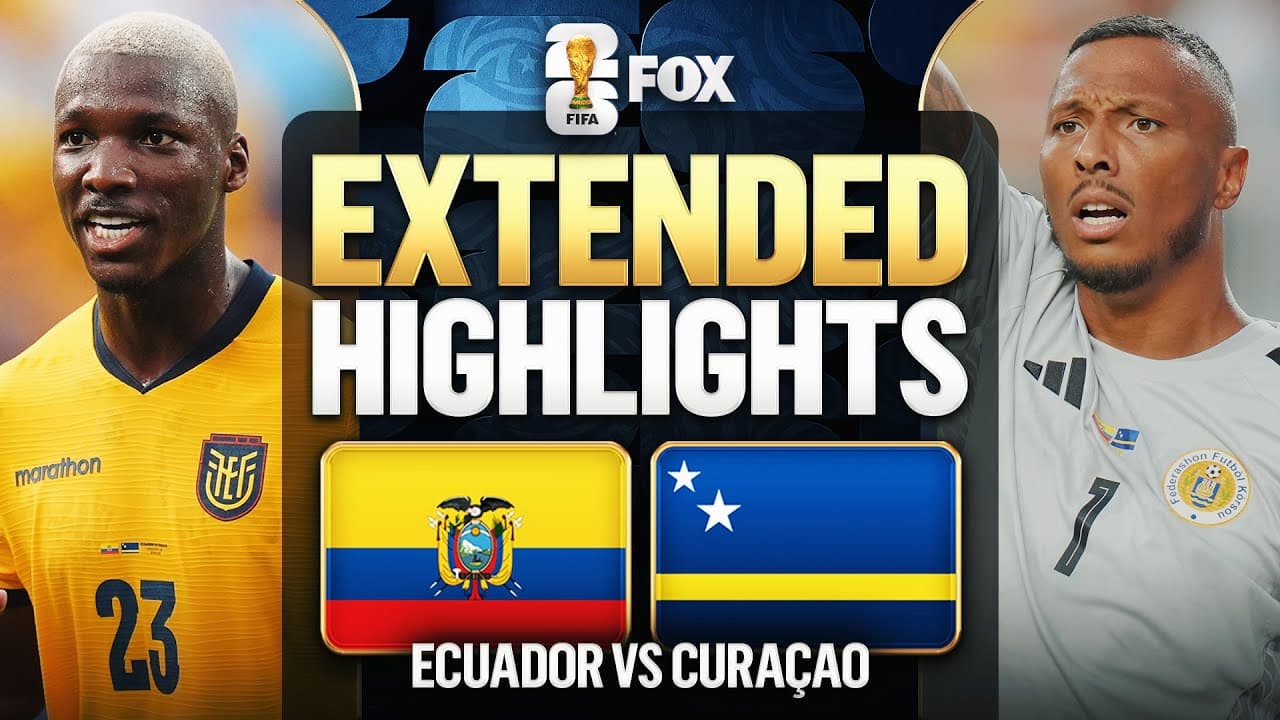
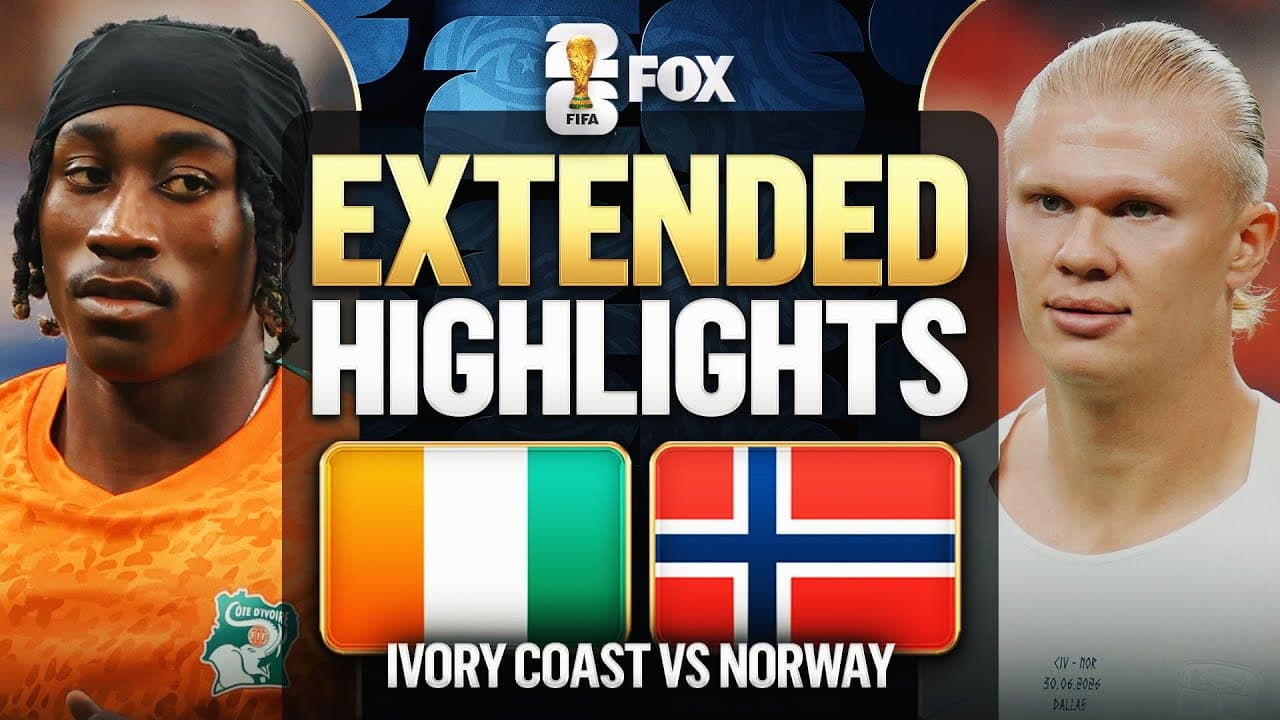
In a World Cup 2026 qualifier on June 25, 2026, Curaçao and Ivory Coast faced off in a tightly contested match. Both teams sought crucial points in their pursuit of global football's biggest stage, setting the scene for an intriguing tactical battle.
Curaçao demonstrated a clear intent to control possession, often looking to build from the back. Their passing game saw a significant number of successful passes, with a notable portion directed into the opposition half. The team attempted to create openings through various avenues, including crosses, though the final ball often lacked the precision to break down the Ivory Coast defense. Their attacking efforts registered a modest expected goals tally, indicating a struggle to convert pressure into clear-cut chances. The defensive unit remained organized, contributing with tackles and interceptions.
The home side's strategy involved sustained periods of possession, aiming to probe for weaknesses. They managed a decent number of passes into the final third, a testament to their efforts to advance upfield. Despite creating several key passes, the ultimate output in terms of big chances was limited. The team's commitment to their game plan was evident in their defensive actions, including successful tackles and aerial duels, as they worked to stifle Ivory Coast's attacking forays and maintain a solid shape throughout the initial phase of the game.
Ivory Coast adopted a more measured approach, prioritizing defensive structure and looking to exploit opportunities as they arose. While their possession statistics were lower, they maintained a compact shape, making it difficult for Curaçao to find consistent pathways to goal. The team focused on winning the ball back and transitioning quickly, though the final attacking penetration was not always achieved. Their defensive statistics showed a willingness to engage in duels and make crucial clearances to deny Curaçao any significant breakthroughs.
As the match progressed, Ivory Coast aimed to leverage their defensive stability to launch counter-attacks. Although not dominating possession, they sought to capitalize on any turnovers, aiming to create scoring opportunities through quick transitions. The team's ability to absorb pressure and remain organized was key to their defensive performance. They worked to limit Curaçao's attacking output, ensuring that their opponents' build-up play rarely translated into genuine threats on goal, making for a tense and tactical encounter with few clear-cut chances.
The overall statistics painted a picture of a game where territorial advantage and possession did not necessarily translate into a decisive attacking edge for either side. Curaçao's higher volume of attacks and passes suggested an effort to dictate play, while Ivory Coast's defensive resilience and measured build-up aimed to frustrate their opponents and remain in contention. The match highlighted the tactical nuances of international football, with both teams demonstrating their preferred styles of play on the grand World Cup stage.